




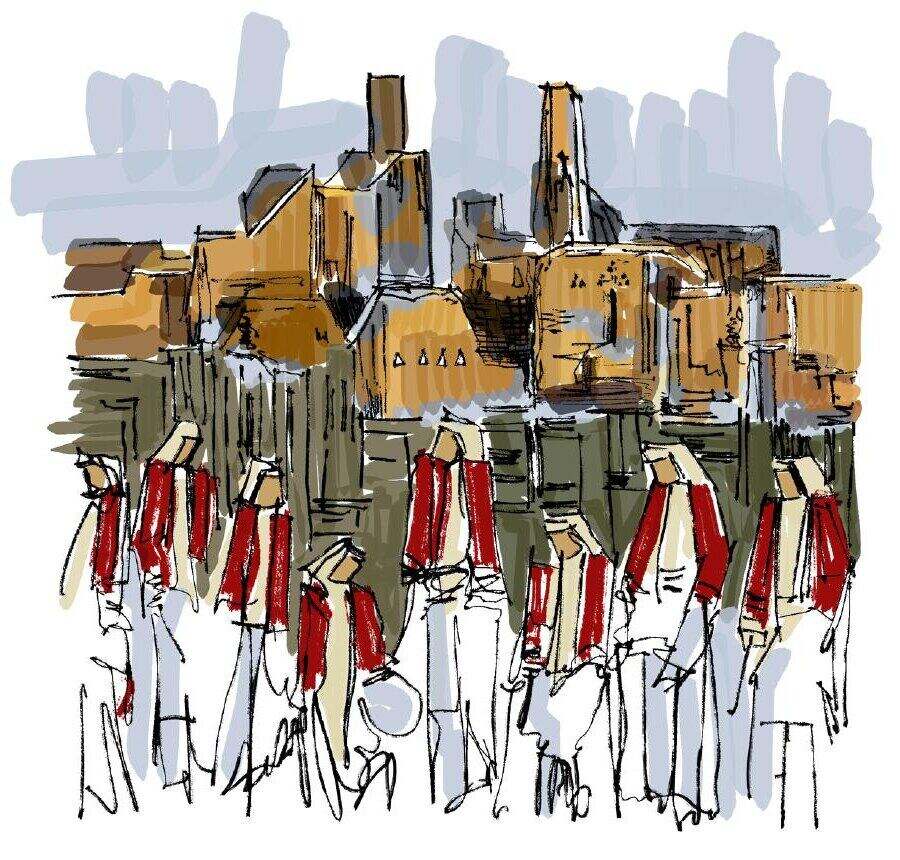
Most hotel art starts with a mood board: a palette, a few references, a feeling. The result is often pleasant and forgettable. Guests walk past it the way they walk past the wallpaper.
We start somewhere else, with a story.
1. Write the story first
For Radisson RED in Saudi Arabia, we wrote the story of a traveller who walks out of the old city of Najd and into a new one that refuses to stand still. Heritage does not wait for him. It moves with him.
That one idea did more work than any palette could. It told us what to look for, which artists to call, and what to leave out.
2. Follow the guest's path
A hotel is read in order: arrival, reception, the lift, the restaurant, the room. A collection should be planned the same way.
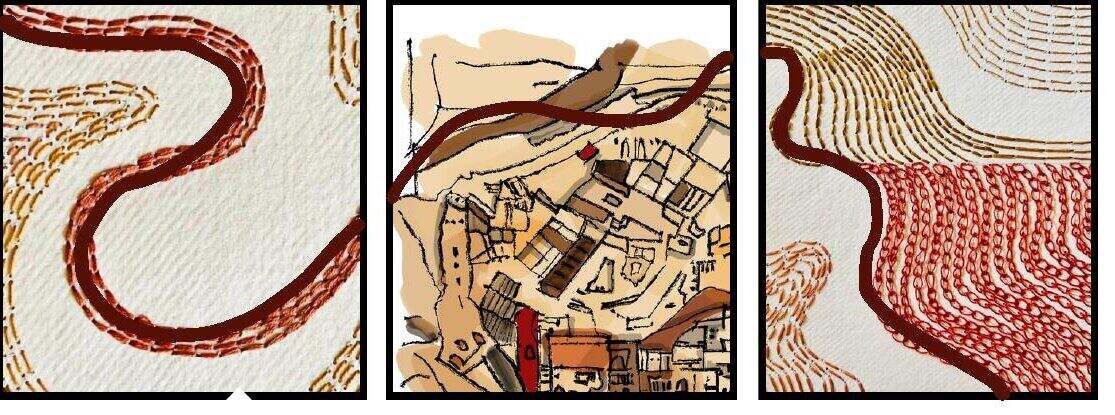
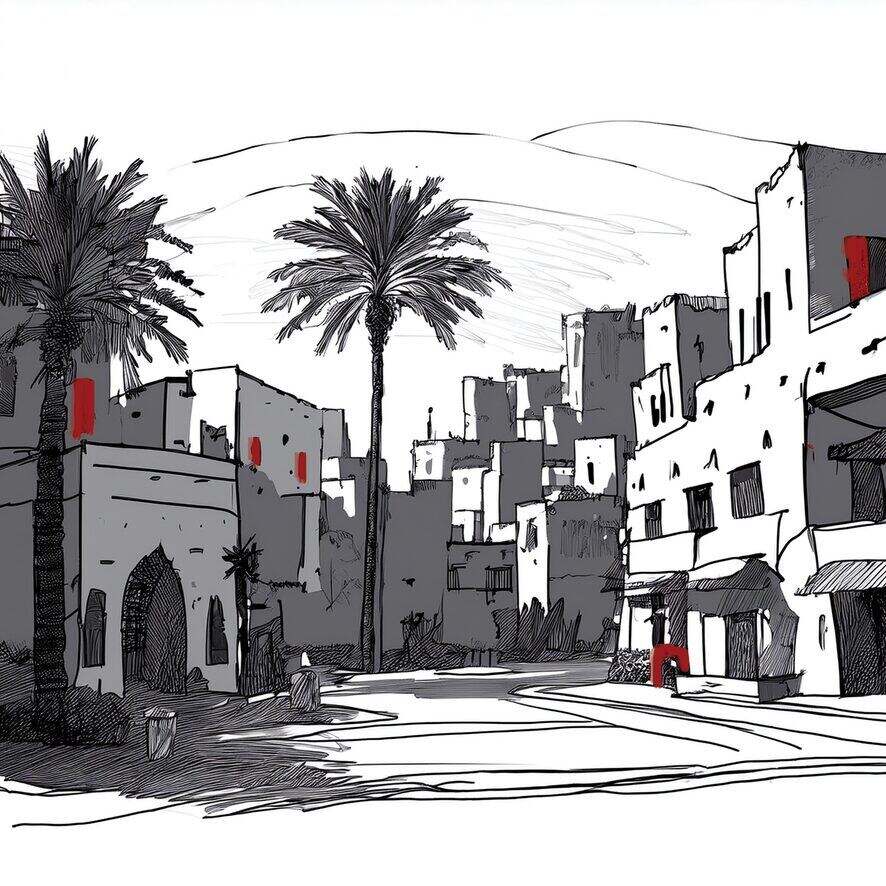
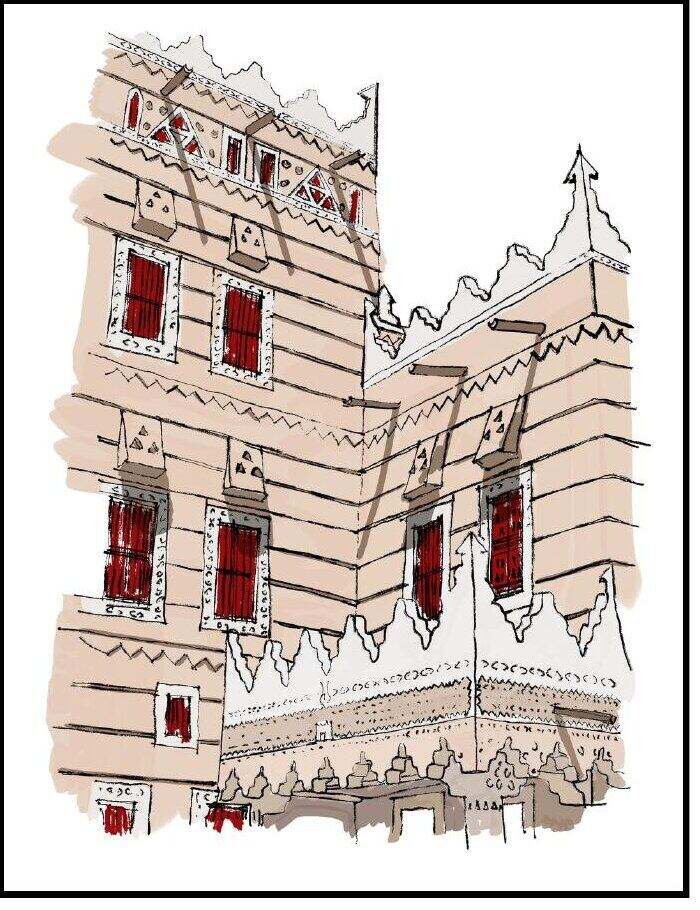
At Radisson RED, a stitched triptych maps the city at reception. Najdi villages are sketched in grey and red by the lifts. A five-metre mural of Diriyah fills the all-day dining room. In the rooms, red Najdi windows welcome guests home. One colour, red, carries the story from floor to floor.
3. Give every room its own work
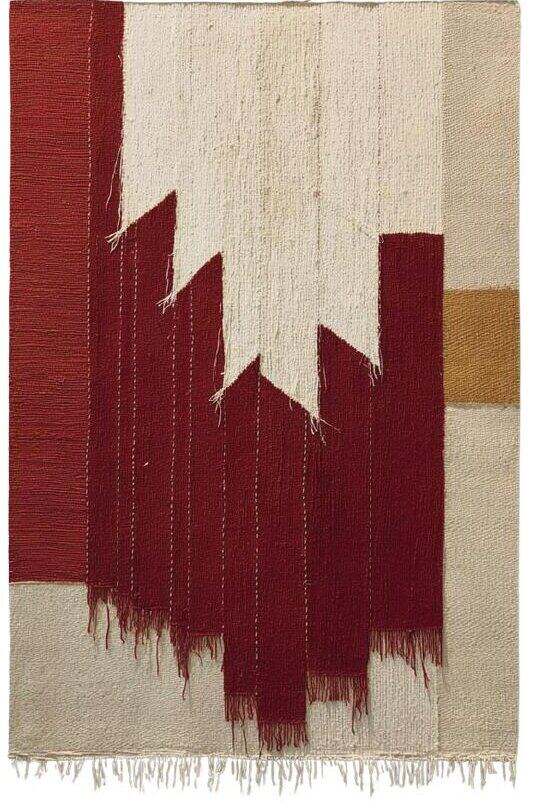
Guest rooms are where people actually spend their time, and where most collections run out of ideas. Commissions, or licensed works adapted to each room type, let every room belong to the same story without repeating the same print.
4. Plan the art with the building
The best time to bring in an art consultant is at concept design. Then the art, the walls, the lighting and the fixings are planned together, and nothing has to be forced in at the end. We work from the design drawings and the FF&E schedule, and to the operator's brand standards.
5. Let guests read the collection
A work with a story is worth more than a work without one. We write the story of every piece, in print or by QR code, so guests can discover the collection, and staff can talk about it with pride.
See how the story came together at Radisson RED, or discuss your hotel with us.
